
From the blog
What to check before approving a merchandise sample
A practical review sheet for the product, decoration, fit and packing before a production order.
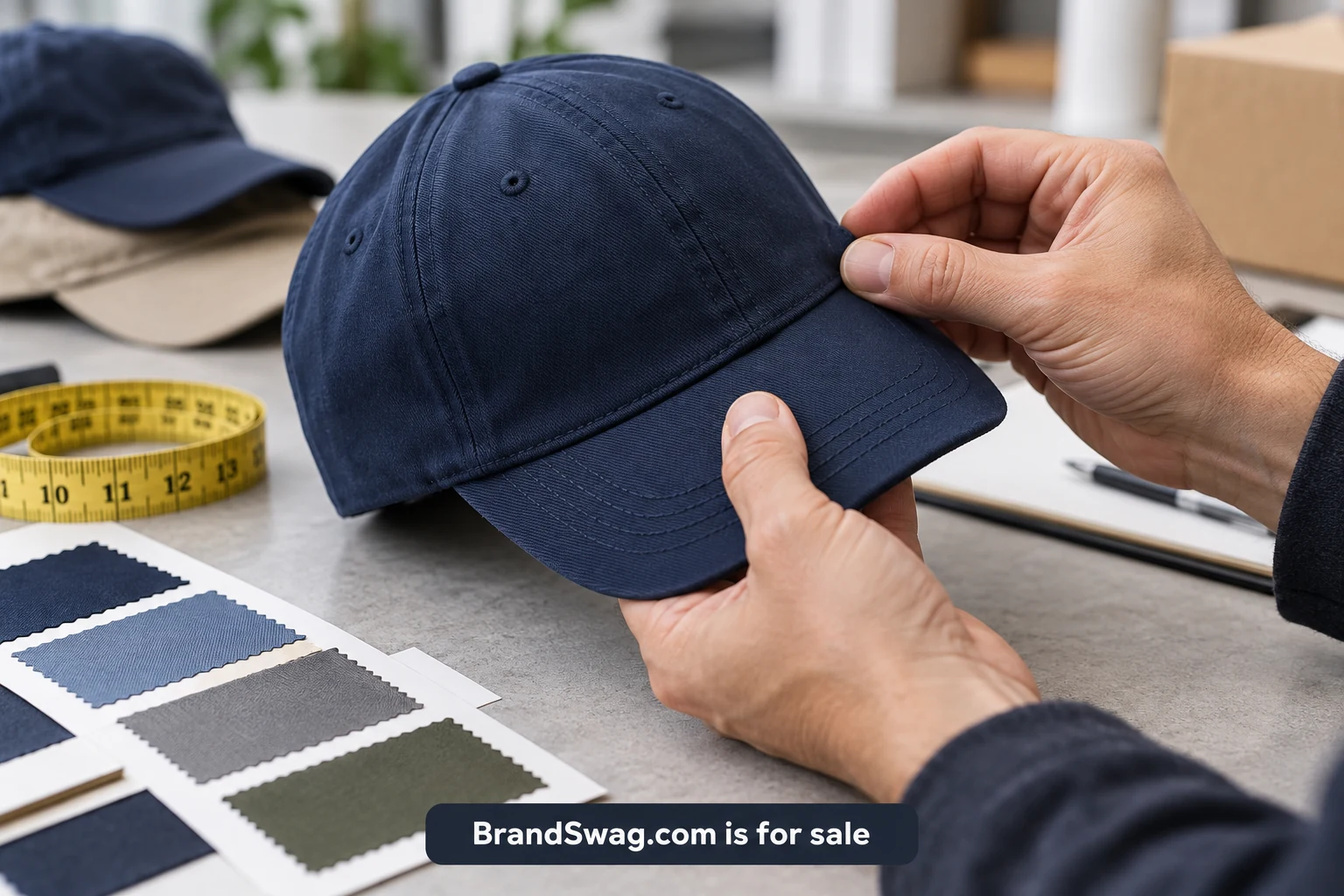
A merchandise sample gives a buyer a chance to make decisions while changes are still manageable. The review should answer a specific question: is this the reference the supplier should follow for the production order? A quick photograph in a group chat rarely captures that decision well. A short inspection sheet, a few measurements and a clearly named approver can turn the sample into a useful agreement.
Before opening the parcel, collect the supplier’s product specification, the artwork proof, the requested decoration details and the proposed order quantities. Confirm whether the sample uses the actual blank product, decoration process and packaging planned for the run. A stock sample may help assess fabric, but it cannot prove that a new logo will reproduce correctly. Write down those limits at the start so nobody mistakes a partial demonstration for full approval.
Identify exactly what arrived
Record the supplier, product code, color, size and date received. Give the sample a simple identifier that can appear in emails and on the approval sheet. If the supplier has sent several versions, label each one immediately. Keep the outer packaging until you have checked for shipping damage and confirmed which accessories or inserts belong with the sample. Small missing parts are easy to overlook when the main product looks good.
Compare the product against the brief before judging the decoration. Is the cap the correct construction? Does the bottle have the specified lid? Is the tote the requested size? Measure dimensions with a ruler or tape, using the supplier’s stated measurement method when one is available. Record an actual measurement rather than writing that an item seems small. If there is a tolerance, ask the supplier to identify it in writing.
Review the artwork at its real size
Place the approved artwork beside the sample. Check spelling, punctuation, orientation and the version of the logo. A file can be technically printable and still be the wrong file. Look for missing fine details, filled spaces between letters and any element that becomes hard to recognize at the chosen size. View the item both close up and from the distance at which someone will normally see it.
Measure the decoration from a stable reference point, such as a seam or the center of a panel. Record the width and height as well as its location. A phone photograph taken at an angle can make a correctly placed mark look uneven, so photograph it straight on with a ruler visible when discussing a concern. Ask the supplier which placement variations are normal for this product and process before setting the acceptance standard.
Match the review to the decoration process
Embroidery and printed artwork need different checks. For stitching, inspect edges, small lettering, thread coverage and the reverse side where it contacts the wearer. For a printed surface, inspect coverage, alignment and unwanted marks around the design. Avoid assuming that a problem visible on one sample has a particular technical cause. Describe what you can observe and ask the supplier to explain the correction.
Printful’s graphics and embroidery guide points buyers toward product templates and process-specific artwork preparation. That is a useful reminder to review the selected supplier’s requirements before requesting a change. A more detailed logo is not necessarily a better production file. Ask for a revised proof when the proposed solution changes the appearance, rather than approving an unspecified adjustment.
Look at color under consistent conditions
Review the sample in reasonably neutral light and compare it with the reference the supplier agreed to use. A screen image, a printed brand guide and a physical color standard are different references. Say which one controls the decision. If matching a particular shade is important, discuss that requirement before production and find out what the selected material and decoration process can support.
Photographs can document a concern, but camera settings and screens affect how color appears. Write a plain description alongside the image, such as a blue that appears darker than the agreed physical reference. Keep the original sample available for follow-up. Do not approve color based only on an edited promotional photograph. If several products must coordinate, place them together to see how the collection reads as a whole.
Check fit, feel and ordinary use
For apparel, compare the garment measurements with the size chart that customers will see. Try the sample on when appropriate, but avoid treating one person’s fit as evidence for every size. Ask how the supplier handles grading across the range and whether a second size sample would resolve an important uncertainty. Note the fabric feel, seam comfort and any decoration backing that could be uncomfortable against skin.
For a tote, load it with the type of contents it is intended to carry and inspect the handles and seams. For a bottle, check the lid operation and whether the parts fit together correctly, following the manufacturer’s instructions. These are practical observations, not laboratory tests or proof of a safety claim. Request relevant product documentation from the supplier when the brief requires a particular performance or compliance standard.
Follow the stated care instructions
If wash performance matters, agree on a sample test that follows the product’s actual care guidance. Photograph and measure the item before and after, then record the method used. Keep an unwashed reference when possible. An improvised harsh treatment may tell you little about the experience of a customer following the instructions, while a single gentle wash cannot establish a broad durability promise.
Printful’s product care guidance varies by product and decoration type. Use the instructions for the goods actually being ordered. Confirm how those instructions will reach the recipient, whether on the item, an insert or a product page. Care information that exists only in a supplier email will not help the person who eventually owns the product.
Inspect the complete packed order
Review the sample as a recipient would receive it. Check folding, inserts, protective material and the outside label. Does the decoration rub against another object? Can a heavy item move inside the carton? Does opening the package damage a printed card? A gift set should be inspected as a combination, because individually acceptable products can behave differently when packed together.
If the sample is not packed in the final shipping configuration, list packaging as an open item. Request a complete packed sample when the risk warrants it. Take photographs of the packing sequence so the supplier or fulfillment team can reproduce the approved arrangement. Distinguish cosmetic presentation from protective requirements; both can matter, but they should not be confused during a discussion about changes.
End with a decision that can be followed
Use three clear outcomes: approved, approved only after specified changes, or another sample required. List each change separately and name the person who can close it. Avoid phrases such as looks fine if the next message contains several unresolved concerns. A conditional approval should explain whether production may begin or must wait for written confirmation of the corrections.
Keep the approved sample, artwork version, photographs and dated decision together. Send the supplier a concise record and ask them to confirm it matches their understanding. When the production shipment arrives, the same record becomes the reference for an incoming inspection. The aim is a decision another person can reproduce, even if they were not present for the original review.
Make BrandSwag.com your next move.
A clear starting point for a tangible business.